
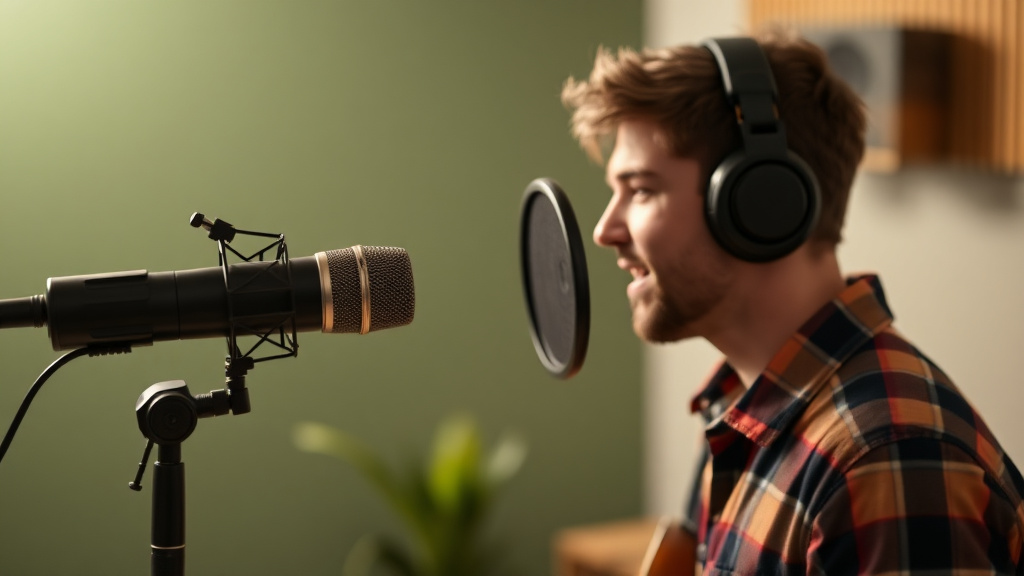
Producing professional-quality vocals at home is no longer a luxury exclusive to expensive studios. With the proper tools and expertise, aspiring artists and producers can achieve studio-grade vocal performances from their bedroom or living room. In this article, top-tier music professionals share their essential tips and techniques for achieving pristine vocal tracks at home. From microphone placement and acoustic treatment to EQ adjustments and production techniques, discover the professional insights that transform amateur home recordings into professional-quality finished songs.
Creating Your Recording Studio at Home
Setting up an optimal recording environment is the foundation for capturing quality vocals at home. Your space doesn’t need to be large or expensive; what matters most is controlling unwanted noise and reflections. Start by choosing a room with minimal external sound interference, away from traffic and mechanical systems. Take into account the room’s layout and surfaces—smaller, carpeted rooms with soft furnishings effectively dampen sound better than big open areas with hard surfaces that create echo and reverberation.
Acoustic conditioning is essential for quality output. You don’t need to invest in expensive studio panels initially; thoughtful positioning of blankets, foam, and soft materials can significantly reduce problematic reflections. Focus on addressing primary reflection areas—the areas where sound bounces before reaching your microphone. Additionally, ensure your recording area is isolated from ambient noise by shutting doors and windows. A well-prepared space removes the need for extensive post-production cleanup and allows your vocals to deliver clear, professional sound.
Required Gear and Microphone Selection
Investing in high-quality gear establishes the basis of home vocal recording for professionals. While you don’t require an costly studio configuration, choosing the appropriate microphone alongside accessories substantially affects your ultimate vocal quality. A large-diaphragm condenser audio converter, microphone support, windscreen, and XLR connectors are essential components for any residential recording system. These pieces collaborate to capture clear, detailed vocal performances while decreasing unwanted sound and interference that can compromise recording quality.
Selecting the Right Microphone
Condenser microphones are the industry standard for vocal recording due to their capacity to capture subtle nuances in performance. Large-diaphragm condenser microphones excel at recording vocals, providing warmth and presence that suits most voices. Affordable choices feature the Audio-Technica AT2020 and Rode NT1, which deliver professional results without breaking the bank. Take into account your vocal characteristics and acoustic environment when choosing your mic, as different models suit different vocal types and spaces.
Dynamic microphones like the Shure SM7B offer excellent noise isolation capabilities, rendering them perfect for untreated rooms with ambient noise. While typically used for live performances, high-quality dynamic mics can produce impressive vocal recordings when correctly placed. Test multiple microphone types if possible, as personal preference and how well they work with your voice play an important role. Keep in mind that microphone choice is subjective—what performs excellently for one singer may not suit another.
Acoustical Treatment Principles
Acoustic treatment reduces reflections and reverberations that degrade vocal recordings, delivering a cleaner, more professional sound. You don’t need costly professional equipment; careful positioning of blankets, foam mattresses, and bookshelves effectively absorbs unwanted frequencies. Focus treatment on initial reflection zones—areas where sound bounces directly into your microphone. Even straightforward do-it-yourself methods dramatically improve recording quality by minimizing ambient sound and creating a more controlled acoustic environment for vocals.
Bass traps manage low-frequency buildup that plagues many home studios, producing muddy, indistinct vocal recordings. Installing absorption material in corner areas addresses these unwanted low frequencies effectively. In addition, using a vocal booth—such as a basic blanket-lined closet—separates your microphone from room reflections and ambient noise. Test various different treatment configurations to find the optimal balance between sound absorption and room acoustics that suits your singing style and equipment.
Recording Techniques and Best Practices
Proper microphone method is critical to capturing high-quality vocals at home. Place the microphone at vocal level, preserving steady positioning to guarantee uniform volume throughout your recording. Eliminate popping sounds by using a pop filter and positioning the microphone slightly off-axis. Record multiple takes to build a comp track, enabling you to choose the top moments and create a polished, high-quality vocal delivery that displays your best takes.
Recording enhancement elevates your vocal performance significantly when done properly. Use subtle EQ to enhance clarity and filter out frequencies clouding your mix. Compression helps control dynamic range, producing a refined, commercial-grade audio that sits perfectly in your track. Test reverb and delay with caution, as these effects can either improve or damage your vocals. Always maintain a dry reference version before applying processing, letting you evaluate and reach well-considered conclusions about your finished product.
- Use a pop filter to eliminate plosive plosives effectively
- Record multiple takes and stack them for richness and depth
- Apply subtle equalization to boost vocal clarity and presence
- Use compression to control dynamics and improve consistency
- Check levels closely to prevent clipping and distortion
