
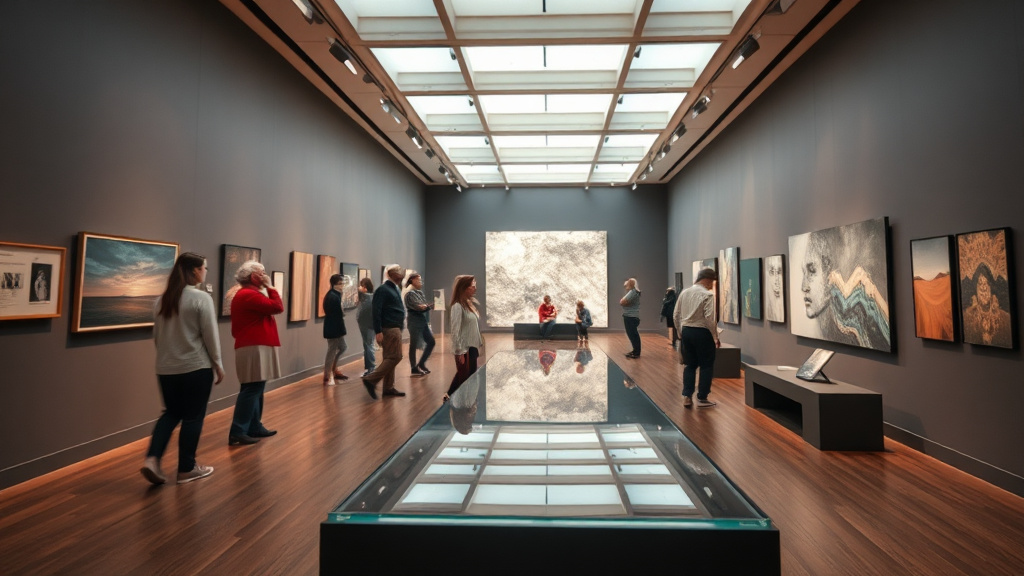
The art world is experiencing a major transformation as a new generation of digital artists avoids traditional galleries completely, utilizing social media, NFTs, and virtual exhibitions to reach global audiences. These creative pioneers are disrupting established exhibition models, expanding who can experience art, and transforming what it means to be a professional artist. This article examines how new-generation digital practitioners are transforming the cultural landscape, challenging traditional institutions, and opening new possibilities for both creators and collectors worldwide.
The Emergence of Digital Creative Platforms
The digital art revolution has fundamentally transformed how artists connect with audiences globally. Online platforms have removed geographical barriers that historically confined artists to local gallery circuits. Social media networks, dedicated art marketplaces, and virtual exhibition spaces now offer up-and-coming artists with immediate connection to millions of prospective buyers and patrons worldwide, making art more accessible in unprecedented ways.
Conventional exhibition spaces once functioned as gatekeepers, determining which artists achieved recognition and market viability. Today’s digital platforms have challenged this exclusivity by enabling artists to develop standalone audiences and create their own value propositions. This shift has empowered creators to maintain increased autonomy over their work, pricing, and artistic vision while avoiding extended application procedures and selection barriers characteristic of traditional exhibition models.
The availability of digital platforms has also lowered barriers to entry for aspiring artists from underrepresented communities. Young creators without existing networks or economic means can now showcase their portfolios immediately to worldwide viewers. This democratization has encouraged unprecedented artistic diversity, bringing fresh perspectives and original approaches to the mainstream art conversation while challenging conventional ideas of artistic legitimacy and industry qualifications.
NFTs with Blockchain Innovation
NFTs have emerged as powerful instruments for digital artists seeking to monetize their work and verify authentic ownership. Blockchain technology provides immutable proof of creation and ownership, addressing persistent issues about digital art reproduction and intellectual property protection. NFTs enable artists to get paid directly from sales and secondary market transactions, establishing ongoing income sources that were previously unavailable in the digital art space.
The NFT marketplace has attracted substantial sums in investment, validating digital art as a legitimate and valuable asset class. Artists who embraced this technology early achieved significant financial success and widespread acclaim. Beyond monetary advantages, distributed ledger systems provide clear visibility, smart contracts for royalties, and community engagement features that enable direct relationships between creators and collectors, substantially transforming art market dynamics.
- Direct creator-to-buyer transactions eliminate intermediary gallery commissions
- Blockchain records provide lasting provenance and authenticity verification
- Smart contracts automatically allocate royalties on secondary sales
- Global accessibility enables artists to reach international collectors instantly
- Transparent price structures reduce market manipulation and fraud risks
Redefining Gallery Spaces and Accessibility
Contemporary digital creators are fundamentally transforming how art is presented and consumed. By transcending traditional physical galleries, these creators eliminate geographical barriers that traditionally limited art exposure to particular regions. Digital exhibition spaces enable concurrent worldwide shows, allowing audiences worldwide to engage with artwork instantaneously. This opening up of access reduces the gatekeeping power of traditional art establishments, enabling up-and-coming creators to build direct relationships with collectors and enthusiasts. The shift represents a fundamental reimagining of what constitutes a valid art venue in modern artistic practice.
Traditional galleries demand significant overhead costs, including rent, utilities, and staff, costs often passed to artists through commission structures. Digital platforms dramatically reduce these economic obstacles, allowing artists to retain greater control over pricing strategies and profits. This financial transformation particularly benefits underrepresented artists who formerly had difficulty to afford gallery access. Lower operational costs enable curators to take creative risks with experimental work that traditional galleries might deem financially risky. The result is a more diverse artistic ecosystem showcasing varied viewpoints and creative methods.
Accessibility extends beyond financial considerations to encompass physical and cultural dimensions. Virtual exhibitions serve individuals with mobility challenges, geographic isolation, or time constraints that prevent gallery visits. Artists can showcase pieces in multiple languages and cultural contexts at the same time, encouraging genuine global dialogue. Interactive digital features enable greater involvement than traditional gallery displays, enabling viewers to review artist statements, process documentation, and background details seamlessly. This multifaceted accessibility transforms engagement with art from an exclusive privilege into an inclusive experience available to anyone with internet connectivity.
Virtual Exhibitions and International Presence
Virtual exhibitions leverage cutting-edge technology to produce engaging environments comparable to physical galleries. 3D virtual environments allow artists to develop environments impractical in traditional settings, including interactive elements and multimedia components. Blockchain technology enables verifiable ownership and legitimacy through digital certificates, tackling persistent issues about artistic authenticity. These systems eliminate geographical boundaries and national borders, creating genuinely global exhibition spaces where simultaneous participation takes place regardless of location. The technological infrastructure underpinning virtual exhibitions keeps advancing, delivering ever more advanced tools for artistic expression and viewer participation.
Global reach fundamentally reshapes artist-audience dynamics and market opportunities. Digital platforms provide comprehensive analytics revealing audience composition, interaction trends, and spatial spread of interest. This data empowers artists to grasp audience preferences intimately and tailor future work accordingly. Global buyers can discover emerging talent directly, circumventing conventional middlemen and gallery gatekeepers. Emerging artists gain exposure to vast audiences worldwide, creating unprecedented opportunities for recognition and financial success. This democratized distribution system disrupts established power structures while fostering vibrant, competitive creative communities spanning continents.
Challenges and Upcoming Prospects
Despite their innovative approaches, digital artists confront substantial hurdles in gaining institutional recognition and building long-term livelihoods. Copyright infringement, oversupply conditions, and the volatility of cryptocurrency-based sales platforms create financial uncertainties. Additionally, the lack of physical artwork generates debate over authenticity, preservation, and sustained market value. Established art patrons remain skeptical about digital assets, while emerging platforms grapple with statutory requirements and infrastructure problems that endanger professional sustainability.
The coming years appears to feature hybrid models combining creative digital solutions with established institutional credibility. Established institutions are increasingly accepting online shows and digital asset partnerships, recognizing the importance of change. As blockchain technology matures and online competency grows worldwide, acceptance of digital art will grow. Emerging artists must manage this shifting marketplace carefully, developing trust through multiple channels while pushing for industry standards that defend artistic rights and support long-term development in this innovative art world.
