
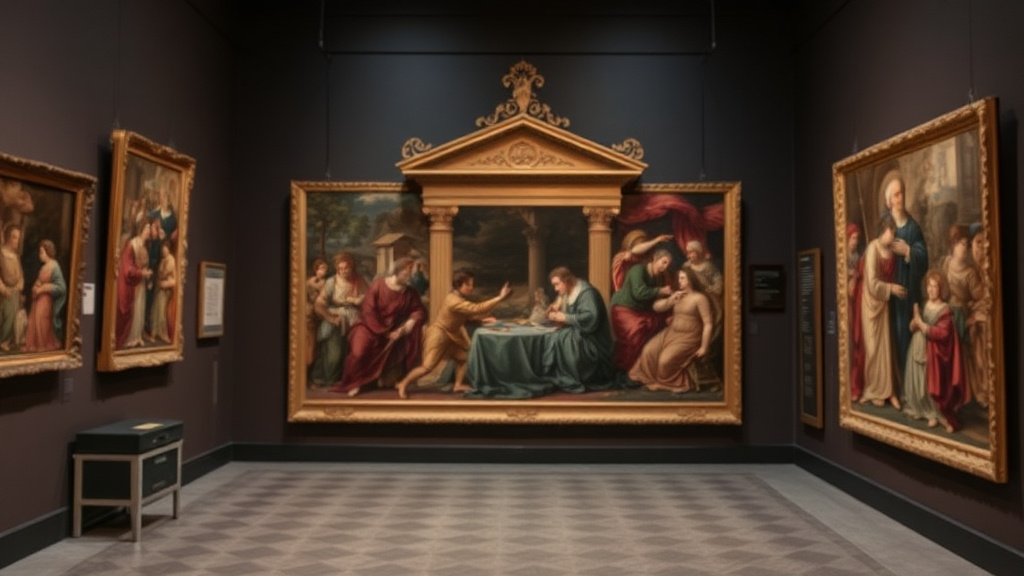
Across the globe, prestigious museums are allocating substantial resources to rescue masterpieces from the deterioration and damage. Through advanced conservation methods and unwavering dedication, conservators are successfully breathing new life into damaged historical paintings that have engaged viewers for centuries. This article explores how institutions are committing substantial funding to these careful preservation efforts, the advanced tools making recovery possible, and the remarkable transformations that are unveiling the original brilliance of these irreplaceable artworks.
The Scale of Restoration Efforts
The monetary investment to painting restoration has attained record heights, with prominent museums across the world committing significant resources yearly to preservation initiatives. Leading institutions such as the Louvre, Metropolitan Museum of Art, and British Museum have established specialized conservation departments with considerable funding resources. These commitments reflect the critical recognition that artwork from previous centuries need prompt treatment to prevent further deterioration from climatic conditions, deteriorating components, and past unskilled conservation work that have compromised countless masterpieces.
The scope of conservation initiatives goes further than individual paintings to include entire collections necessitating structured evaluation and treatment. Museums now utilize teams of trained conservation specialists, scientists, and preservation specialists partnering together to tackle sophisticated heritage preservation problems. Recent data demonstrates that institutions globally invest over $500 million per year on painting conservation alone, highlighting the significant investment devoted to protecting cultural heritage. This collaborative approach ensures that generations to come can appreciate these priceless works in their restored glory.
Advanced Techniques and Technological Solutions
Modern conservation efforts has transformed the restoration landscape, enabling museums to address intricate deterioration with unprecedented precision. Advanced technology and scientifically-backed methodologies enable conservators to analyze paintings at minute detail before implementing precise treatments. These developments substantially improve outcomes while reducing potential harm to invaluable pieces. Investment in cutting-edge centers and expert development initiatives ensures that museums maintain the greatest levels of conservation quality, safeguarding artistic legacy for future generations.
Digital Imaging and Processing
Digital imaging methods has transformed how conservators examine and catalog deteriorated artworks. Detailed scanning, multispectral imaging, and infrared reflectography reveal hidden layers, prior restorations, and physical deterioration not visible to the human eye. These non-invasive techniques provide comprehensive maps of deterioration, allowing for accurate intervention strategy. Museums utilize advanced software to generate 3D models, tracking restoration progress and forecasting future problems before they develop into serious issues affecting the artwork’s integrity.
Artificial intelligence and machine learning algorithms now aid conservators in analyzing paint composition and identifying best restoration strategies. Digital archives compile documented records about paint materials, surface finishes, and techniques employed by master painters across multiple time periods. This evidence-based approach decreases guesswork, allowing specialists to make informed decisions grounded in scientific evidence. Automated diagnostic tools speeds up the diagnostic process while enhancing accuracy, ultimately reducing time and resources during costly restoration projects.
Chemical and Mechanical Recovery Methods
Chemical renewal employs carefully selected solvents and cleansing solutions to remove built-up dirt, oxidized varnish, and unwanted buildup without compromising original paint layers. Conservators conduct extensive testing on hidden sections, verifying suitability before complete restoration. Modern compounds dissolve external impurities while preserving the original artistic vision. Enzyme-based cleaning constitute cutting-edge alternatives, offering gentler approaches for fragile finishes. These chemical interventions, paired with rigorous quality control, restore paintings to their intended appearance while maintaining lasting durability.
Physical conservation procedures tackle structural damage including tears, cracks, and paint loss through expert methods. Reinforcement techniques stabilize flaking paint, while precisely selected pigments complete missing areas seamlessly. Museums utilize suction systems to straighten bent canvases and eliminate water damage without excessive force. Modern adhesive compounds, formulated for art conservation, provide durable reinforcement without yellowing or becoming brittle. These complementary physical and chemical methods work synergistically, enabling thorough conservation that treats both aesthetic and structural concerns simultaneously.
Notable Achievements and Remarkable Restoration Projects
The Sistine Chapel Ceiling Achievement
Michelangelo’s iconic Sistine Chapel ceiling completed a transformative restoration project spanning over a decade, totaling roughly $3 million. The careful cleaning process revealed vibrant colors long concealed beneath generations of built-up dirt and damage. This major undertaking proved that even the most monumental artworks could be successfully revitalized, creating guidelines for restoration standards and prompting comparable projects worldwide.
Leonardo da Vinci’s Final Supper Restoration
The conservation of Leonardo da Vinci’s “The Last Supper” in Milan exemplified current preservation obstacles and triumphs. Over twenty years and significant financial investment, conservators painstakingly eliminated buildup of decay, prior restoration efforts, and environmental contamination. Modern digital imaging allowed specialists to identify original brushstrokes beneath deterioration. The restoration project unveiled Leonardo’s masterful color application and detail, offering essential knowledge into the master’s technical approach and vision.
Contemporary Masterpiece Preservation
Museums sustain outstanding results with different artistic eras and styles. The restoration of Rembrandt’s “Night Watch” and Vermeer’s “Girl with a Pearl Earring” illustrated how funding for restoration technology maintains cultural treasures. These projects utilized advanced imaging techniques, precision cleaning methods, and cutting-edge stabilization approaches. Each successful restoration reinforces the critical importance of ongoing financial support and expert collaboration in protecting our cultural masterpieces for coming generations.
