
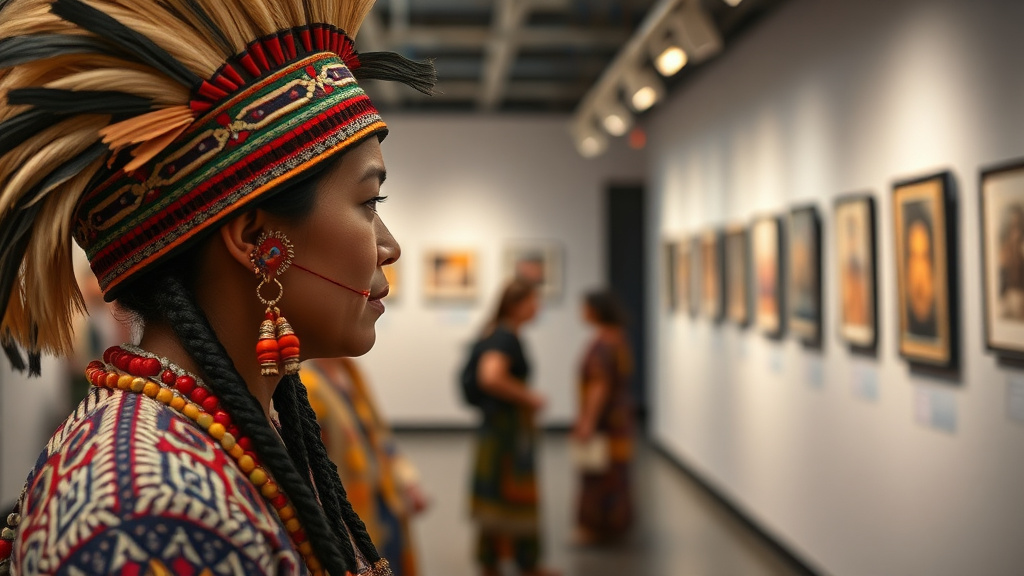
Indigenous art forms, previously dismissed and undervalued by conventional cultural establishments, are now gaining worldwide attention at unprecedented levels. Leading museums across the globe are mounting groundbreaking exhibitions that honor the profound cultural legacy and creative excellence of native peoples. From traditional textiles and ceremonial masks to modern native creators expanding artistic limits, these presentations are reshaping global perspectives on and values non-Western artistic traditions. This article examines how museum exhibitions are elevating indigenous voices and reshaping the global art landscape.
The Emergence of Indigenous Art in Global Museum Collections
Overcoming Barriers in the Artistic Sphere
For many years, native artistic traditions remained confined to ethnographic institutions and cultural archives, regarded as artifacts rather than creative works. Today, prestigious institutions like the Metropolitan Museum of Art, the British Museum, and the Louvre are allocating substantial gallery space to native artistic treasures. This shift represents a fundamental change in how Western museums acknowledge and celebrate global artistic traditions. Contemporary indigenous artists are now displayed with established Western artists, signaling a long-overdue recognition of their artistic merit and cultural importance in the global art community.
The shift transcends simple display area planning. Museums are partnering with native populations to maintain accurate depiction and respectful curation. These joint efforts have become crucial in showcasing aboriginal creations within the appropriate cultural framework rather than via exclusively Western viewpoints. By engaging native creators, cultural authorities, and cultural consultants in exhibition planning, institutions are producing more significant and accurate displays. This partnership model has become a model for ethical museum practices worldwide, showing that authentic engagement benefits both institutions and the populations they serve.
Major metropolitan areas across continents now host rotating exhibitions specializing in indigenous artistic traditions. From First Nations of North America to Aboriginal Australian art, African sculptural traditions to South Pacific textiles, these displays bring in millions of people per year. The heightened prominence has sparked genuine interest in grasping the historical, spiritual, and social contexts underlying these creations. Museums report record attendance figures when showcasing indigenous works, proving that international visitors are hungry for genuine cultural encounters and diverse artistic perspectives outside the conventional Western tradition.
Economic and Cultural Impact
Museum showcases have created unprecedented financial prospects for aboriginal artists and their populations. Sales of indigenous artwork have surged as global buyers and institutions appreciate their worth and genuineness. This financial success allows creators to preserve traditional methods while supporting their communities’ cultural preservation efforts. Galleries now actively seek native artists for representation, and auction venues have set up exclusive indigenous art categories. The economic empowerment arising from worldwide acknowledgment enables aboriginal communities to fund learning programs and cultural centers that might otherwise stay underfunded.
Beyond economics, these exhibitions fulfill essential heritage conservation functions. They showcase and preserve creative methods passed down through generations, ensuring knowledge isn’t lost to modernization or cultural absorption pressures. Young native peoples viewing their heritage celebrated in globally prestigious museums gain renewed cultural pride in their cultural identity. Learning initiatives paired with exhibitions educate people about indigenous histories, perspectives, and contemporary issues, encouraging cross-cultural understanding and challenging stereotypes. Museums have become platforms for indigenous communities to address international audiences, reclaiming narratives long misrepresented by colonial perspectives.
Cultural Importance and Artistic Heritage
The Foundation of Indigenous Artistic Expression
Indigenous art forms express far more than aesthetic objects; they contain centuries of cultural knowledge, spiritual beliefs, and community identity. Each artwork holds profound meaning, often functioning as a visual language that conveys ancestral stories, environmental relationships, and social values. Traditional techniques transmitted through generations reflect the deep connection between indigenous peoples and their lands. Museum exhibitions now acknowledge these works as sophisticated artistic achievements worthy of scholarly study and public appreciation, substantially changing perceptions of indigenous creativity and cultural sophistication.
Preserving Cultural Legacy Via Worldwide Digital Channels
By showcasing indigenous art on worldwide venues, museums play a crucial role in preserving endangered cultural traditions and stopping the loss of artistic expertise. Exhibitions offer recognition and legitimacy for indigenous artists while generating economic opportunities for their communities through higher demand and visibility. These platforms help new generations to revive their traditional connections and encourage aspiring practitioners to continue traditional practices. Global museum recognition elevates indigenous artwork from dismissed cultural artifacts into recognized forms of human creativity, guaranteeing these invaluable heritage pieces stay dynamic and meaningful for future generations.
International Showcase Programs and Local Community Influence
Museum displays centered around indigenous art forms have catalyzed transformative change within both cultural institutions and local communities. These efforts go well past traditional display methods, integrating collaborative curation practices that give agency to indigenous peoples to control their narratives and cultural representations. By working closely with artists and cultural leaders, museums develop authentic exhibitions that honor traditional knowledge while at the same time generating economic opportunities. These collaborative frameworks build sustainable models for cultural exchange, guaranteeing that indigenous communities profit from increased global attention and tourism revenue connected to major exhibitions.
- International museum networks strongly encourage indigenous artist collaborations.
- Community-driven exhibition initiatives build cultural identity and identity.
- Revenue sharing agreements sustain economic sustainability for indigenous artists.
- Educational programs engage next generation with ancestral traditions.
- Digital platforms broaden access to indigenous art traditions.
The financial effects of these displays has shown considerable for indigenous communities worldwide. Museums funding indigenous art showcases create considerable visitor involvement, with attendance rates often exceeding expectations. Local artists and makers experience growing interest for their work, providing sustainable employment opportunities and alleviating economic pressures that frequently drive cultural abandonment. Additionally, catalog publications, retail items, and educational materials deliver additional revenue sources that substantially support indigenous creators and their communities.
Looking forward, the momentum behind indigenous art recognition keeps growing globally. Museums are increasingly recognizing their responsibility as custodians of culture, adopting ethical exhibition practices that respect intellectual property rights and sacred traditions. This fundamental change represents more than institutional change; it signifies broad recognition of indigenous artistic excellence and cultural significance. As these exhibitions expand in number, they fundamentally reshape artistic hierarchies, challenging Western-centric perspectives and positioning indigenous art forms as essential components of our shared global cultural heritage.
