
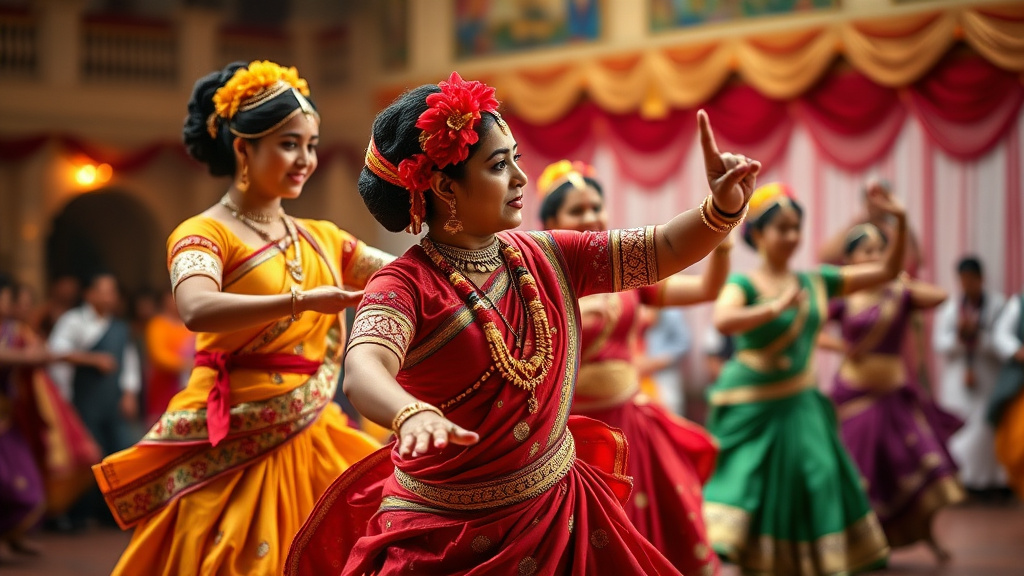
In an more digital world where cultural traditions fade with each new generation, traditional dance festivals emerge as vibrant repositories of heritage and connection. These festivals unite elders, parents, and youth through common rhythms and traditional movements, creating strong cross-generational connections. Beyond simple entertainment, these festivals function as living classrooms where cultural heritage is passed down, honored, and reinforced. This article examines how traditional dance festivals preserve cultural narratives, strengthen community pride, and span the generational gap that threatens to diminish our most valued cultural inheritances.
The Importance of Dance in Heritage Conservation
Traditional dance functions as a significant conduit for maintaining cultural heritage, conveying ancestral knowledge through movement and rhythm. Each gesture, step, and formation carries temporal importance, encoding stories of movement, joy, adversity, and success. When dancers present these movements, they become living archives, preserving connections to their heritage and confirming that cultural narratives endure technological disruption. Dance festivals provide vital spaces where these traditions are not just watched but genuinely performed and honored, stopping the erosion of unique traditions that shape community identity.
Beyond safeguarding, dance festivals reinforce cultural identity by establishing venues where individuals engage with their roots and demonstrate pride in their heritage. Participants develop deep ties to their ancestors through lived experience, building stronger understanding of cultural values and traditions. These festivals validate the importance of cultural practices in contemporary society, proving that heritage remains relevant. By celebrating dance traditions collectively, communities strengthen common bonds and collective memory, helping younger generations inherit not just movements but deep cultural knowledge and belonging.
Uniting Age Groups With Movement
Time-honored dance festivals create vibrant environments where grandparents, parents, and children come together to honor shared heritage through rhythmic choreography and rhythm. These intergenerational encounters reshape dance from a solo presentation into a communal experience that reinforces familial connections and cultural continuity. When junior performers learn steps from older generations, they internalize not just choreography but also accounts, beliefs, and the spiritual meaning of their traditional roots. This physical transmission of tradition shows more impactful than textbooks, forming lasting memories and deepening respect across age groups while preserving heritage understanding survives age-based changes.
Youth Engagement and Learning
Young people in today’s world experience unprecedented distance from traditional practices, yet dance festivals reignite their interest and appreciation in ancestral heritage. These vibrant events transform learning into celebration, making cultural education appealing rather than obligatory. Teenagers and young adults find that traditional dance provides creative expression, physical fitness, and social belonging simultaneously. When peers participate together, youth build authentic ties to their heritage while building confidence and cultural pride. This engagement creates ambassadors who voluntarily preserve and promote their traditions within their own communities and peer networks.
Structured youth programs throughout dance festivals offer guidance and support where seasoned professionals guide younger generations with dedication and passion. These connections go beyond the festival grounds, creating enduring bonds and support networks grounded in shared cultural passion. Young dancers gain employment opportunities, scholarship possibilities, and career advancement through festival participation. The intergenerational teaching model cultivates mutual respect, as elders are appreciated for their knowledge while youth bring fresh energy and innovative interpretations. This reciprocal exchange ensures traditions develop organically while preserving their authentic cultural essence and cultural meaning.
- Youth acquire genuine dance techniques straight from tradition bearers
- Peer involvement boosts motivation and cultural pride development
- Mentorship connections go past festivals into everyday community engagement
- Young dancers secure professional opportunities and pathways for economic advancement
- Festival participation fosters enduring friendships rooted in shared heritage
Community Impact and Community Bonds
Traditional dance festivals serve as key catalysts for social cohesion, uniting various communities around mutual cultural values and creative expression. These gatherings create open spaces where community members engage in festivities that reinforce interpersonal ties and collective identity. By fostering meaningful interactions between community members, dance festivals strengthen the community structure and promote a feeling of inclusion. The teamwork involved in staging and participating in these occasions encourages cooperation, mutual respect, and stronger bonds among participants, ultimately contributing to stronger community bonds.
Beyond personal involvement, traditional dance festivals create substantial benefits on entire communities by promoting cultural awareness and social stability. These events attract visitors, boost economic activity locally, and create employment opportunities for dancers, musicians, and artisans. Furthermore, they provide platforms for addressing social issues through cultural dialogue and mutual understanding. When communities gather to celebrate their heritage through dance, they reinforce shared values, reduce social fragmentation, and build resilience. The collective pride fostered by these festivals enhances community morale and demonstrates the transformative power of cultural celebration in creating stronger, more unified societies.
Obstacles and Path Forward
Despite their cultural significance, conventional dance celebrations face mounting challenges in the present day. Decreasing young people involvement, insufficient financial resources, and pressure from streaming platforms threaten the sustainability of these vital celebrations. Many regions face difficulty to draw youth participation who favor modern activities over cultural heritage. Additionally, urbanization and migration patterns have separated households, making involvement harder to achieve. Preserving these festivals requires creative solutions, including digital documentation, accessible venues, and educational integration that speaks to today’s emerging generation while honoring authentic cultural practices.
The future of heritage dance events depends on deliberate transformation and local support. Forward-thinking organizations are harnessing technology to reach wider audiences through online performances and online training sessions, safeguarding customs digital disruption. Partnering with schools and arts bodies enhances cross-generational learning by exposing young people to next-generation participants early. Support for professional dancers, better facilities, and arts funding proves crucial for event sustainability. By maintaining customs with current significance, communities can ensure these celebrations continue connecting different age groups and building community heritage for generations to come.
