
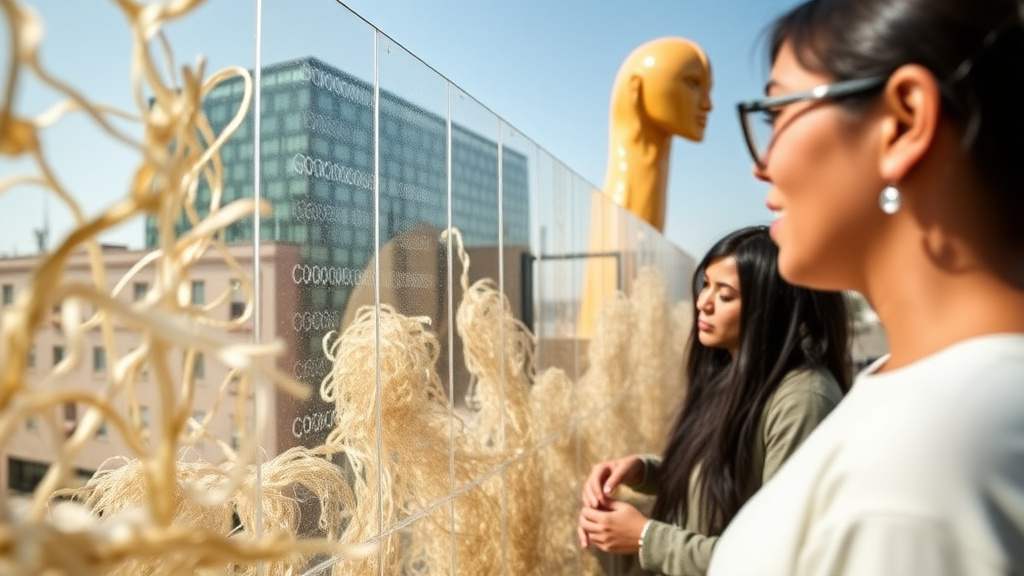
As ecological consciousness reshapes the art world, contemporary sculptors are reimagining public installations by incorporating sustainable materials that challenge traditional practices. From reclaimed wood and recycled metals to innovative bio-based composites, artists are proving that large-scale public sculptures need not sacrifice ecological integrity. This shift represents more than aesthetic choice—it reflects a fundamental reimagining of sculpture’s role in creating aesthetically compelling, environmentally conscious environments. Discover how prominent creators are transforming cities while safeguarding the environment.
The Rise of Environmentally Aware Sculptural Art
The contemporary art world is witnessing a deep transformation as sculptors more often prioritize ecological accountability in their major public sculptures. This movement transcends basic material decisions, representing a ideological evolution toward eco-conscious creation. Artists now recognize that major public artworks carry considerable environmental impact, from production to installation and eventual breakdown. By implementing green approaches, sculptors are redefining what it means to develop purposeful community art while actively contributing global sustainability goals and encouraging public engagement to support environmental values.
This environmentally aware approach has built considerable traction over the past decade, propelled by rising climate concern and technological innovations in materials development. Public institutions and municipalities now actively commission artists who exhibit strong sustainability values, understanding that environmentally responsible sculpture creates meaningful examples. The movement challenges the conventional belief that monumental art demands new raw materials and intensive industrial processes. Instead, today’s sculptors are proving that artistic innovation and ecological responsibility can work together effectively, producing impressive pieces that raise awareness of environmental issues while beautifying city environments and community areas.
Recycled Metals and Industrial Waste
Recycled metals have emerged as a primary material choice for present-day sculptors seeking sustainable alternatives to newly extracted ores. Artists source cast-off industrial materials, automotive parts, and construction debris, converting these materials into striking public artworks. This approach substantially decreases the environmental impact associated with mining and metal production while producing visually striking works that maintain traces of their industrial origins. The aesthetic qualities of aged reclaimed metals add authenticity and narrative depth to sculptures, appealing to audiences who appreciate both artistic vision and environmental consciousness in public art.
Industrial waste materials provide sculptors remarkable artistic possibilities while addressing critical sustainability concerns. By utilizing abandoned machinery, metal scraps, and manufacturing byproducts, artists create compelling statements on consumerism and disposal while fashioning long-lasting public monuments. These materials often demonstrate built-in structural integrity and aesthetic appeal that strengthen artistic expression. The practice of repurposing industrial materials demonstrates that sustainability does not have to compromise artistic vision or aesthetic impact, proving that responsible material sourcing can deliver equally impressive results as conventional approaches while substantially lowering environmental impact and supporting circular production principles.
Eco-Friendly and Organic Materials
Biodegradable and natural materials embody a transformative approach to public sculpture, allowing artists to produce transient or dynamic installations that align with natural processes. Wood, stone, clay, and plant-derived materials permit sculptors to craft works that eventually return to the earth, eliminating ongoing waste deposits in public spaces. This philosophy encourages viewers to reassess sculpture’s permanence and our connection to natural cycles. Artists employing these materials often create documentation and photographs that preserve their vision while allowing the physical artwork to break down naturally, demonstrating that impermanence can be artistically meaningful and sustainable simultaneously.
The integration of biodegradable materials demonstrates a deeper grasp of sculpture’s environmental significance and societal influence. Natural materials often demand minimal processing, lowering energy usage and industrial pollution connected to traditional art creation. These substances frequently come from renewable sources or restored environments, promoting conservation initiatives. Contemporary sculptors creating with biodegradable materials produce installations that teach audiences about ecological cycles while generating beautiful, purposeful public art. This approach challenges conventional ideas of artistic legacy, suggesting that temporary works can be comparably meaningful and memorable as permanent monuments, while actively supporting environmental recovery and sustainability goals.
- Reclaimed wood from razed structures and downed timber
- Natural fibers such as hemp, jute, and bamboo composites
- Stone and natural minerals sourced from local landscapes
- Living features featuring plants and moss growth
- Farm byproducts and organic byproducts from food production
Obstacles and Creative Solutions in Sustainable Public Art
Operational and Technical Barriers
Despite growing enthusiasm for eco-friendly alternatives, sculptors face significant technical hurdles in large-scale public installations. Sustainable alternatives frequently fall short of the longevity and environmental protection of conventional options, requiring innovative engineering solutions and protective treatments. Additionally, obtaining reliable supplies of reused or repurposed materials presents logistical challenges, as distribution networks lag behind relative to traditional sources. Artists must balance environmental goals with practical constraints, developing new techniques to guarantee their works can endure prolonged periods of external weathering while maintaining structural integrity and visual impact.
Innovative Approaches and Material Innovations
Contemporary artists are pioneering innovative methods to overcome these obstacles through collaborative research with materials scientists and engineers. Bio-based composites created from agricultural waste, mycelium leather, and recycled ocean plastics now offer greater resilience while reducing environmental footprint. Advanced coating technologies protect sustainable materials from weathering without harmful chemicals. These innovations show that sustainability commitments and artistic ambition are not mutually exclusive. As these solutions develop and expand, sustainable materials become increasingly viable for large-scale public installations, establishing new industry standards.
Future Directions and Social Influence
The movement toward environmentally responsible public art suggests profound shifts in cultural perspective in how societies understand environmental responsibility and creative worth. As growing numbers of local governments support environmentally aware sculptures, demand will drive technical progress and availability of eco-friendly materials. These sculptures serve as effective teaching resources, showcasing environmentally responsible methods while enhancing community environments. Coming generations will receive not only stunning creative works but also physical demonstration that creative endeavor and environmental care can function in balance, motivating broader systemic change within our world.
