
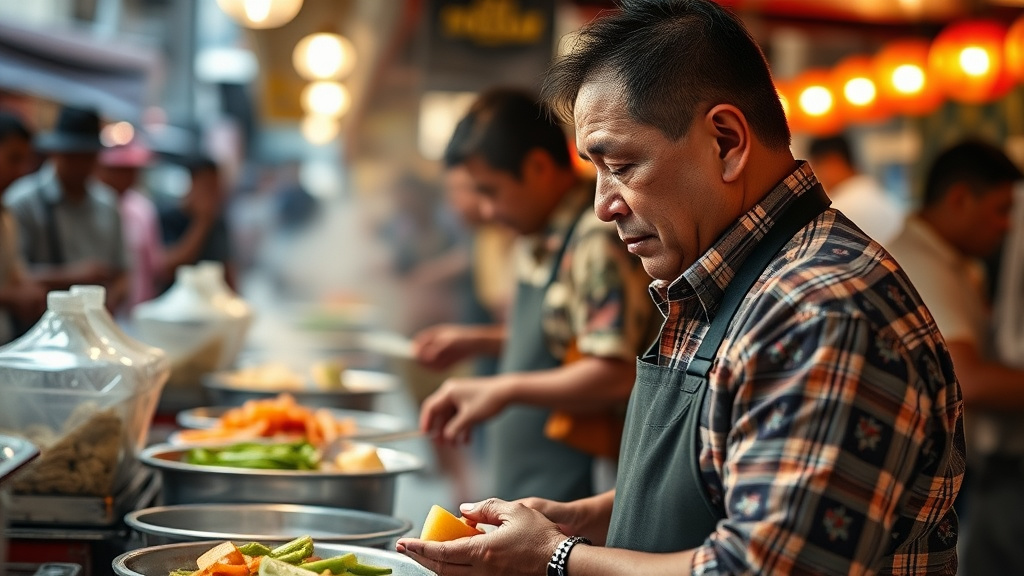
In a landmark recognition of global food traditions, UNESCO has formally recognized street food culture as protected cultural heritage, celebrating the vibrant food vendors and time-honored recipes that define communities globally. From Bangkok’s bustling night markets to Mexico City’s taco stands, street food transcends convenient meals—it reflects cultural identity, historical narratives, and social ties. This groundbreaking decision recognizes that street food artisans maintain traditional cooking methods while adapting to modern tastes, establishing them as guardians of our common cultural heritage.
The International Recognition of Street Food as Cultural Tradition
Street food culture has become a powerful symbol of authentic human expression and local identity across continents. UNESCO’s recognition affirms what millions of people already knew: street food vendors are not merely commercial operators but passionate cultural representatives. These cooking professionals preserve generations of expertise, handing over secret recipes and traditional cooking techniques that might otherwise disappear. From Southeast Asian noodle vendors to Latin American tamale makers, street food professionals preserve vital links to their ancestors’ heritage while serving as economic pillars in their neighborhoods.
This distinguished designation significantly reshapes how nations appreciate informal food economies and cooking practices. By safeguarding street food traditions, UNESCO acknowledges the profound social and cultural significance these vendors contribute to towns and villages across the globe. The recognition encourages policymakers and groups to support street food artisans through fair policies, training programs, and market access improvements. Furthermore, it inspires younger generations to adopt heritage techniques and culinary methods, ensuring that these unique heritage forms endure for future ages.
Local Street Food Customs and Their Significance
Street food practices differ significantly across regions, each expressing distinct cultural principles, local ingredients, and ancestral factors that have shaped communities for ages. From Asia’s fragrant spice bazaars to Africa’s charred dishes, these food customs represent invaluable storehouses of cultural heritage. UNESCO’s acknowledgment honors how regional street food traditions maintain genuine cooking methods while accommodating modern ways of living, guaranteeing cultural transmission and safeguarding heritage recipes that might otherwise disappear in our quickly changing world.
Asian Street Food Traditions
Asia’s street food traditions exemplifies generations of culinary innovation, where vendors demonstrate expertise in intricate flavor combinations and traditional cooking methods passed through generations. From Thailand’s pad thai to Vietnam’s banh mi, these dishes reflect histories of trading networks, cultural exchanges, and area-specific agricultural methods. Asian street food represents living museums of taste, where vendors function as tradition bearers, illustrating correct ingredient choices, accurate timing, and authentic preparation techniques that shape their communities’ culinary identities and cultural heritage.
The economic and social importance of Asian street food extends beyond nutrition, serving as key job opportunities for millions while fostering community gathering spaces. Night markets in Taiwan, hawker centers in Singapore, and food stalls across India create social ecosystems where families gather, relationships strengthen, and cultural traditions pass down to younger generations. These spaces democratize access to authentic cuisine, guaranteeing traditional foods stay available while providing sustainable livelihoods for artisan vendors who maintain irreplaceable culinary heritage.
African and Latin American Culinary Traditions
Latin American street food honors indigenous ingredients and colonial influences, establishing unique food cultures that reflect the region’s complex history and multiple habitats. Mexican tacos, Peruvian ceviche stands, and Brazilian fried pastry stands highlight how culinary offerings converts regional ingredients into beloved meals. These practices honor indigenous preparation techniques while blending in global influences, revealing street food’s impressive ability to maintain inherited techniques while staying vibrant, contemporary, and strongly rooted in community identity and community spirit.
African street food practices showcase humanity’s most ancient culinary traditions, with vendors maintaining traditional preparation methods and ingredient knowledge passed down over generations. From jollof rice of West Africa to Ethiopian injera preparation, these foods reflect nutritional knowledge, sustainable farming practices, and social unity values. Street food vendors across Africa act as representatives of their heritage, safeguarding stories and cultural identities through their culinary practices while responding to food access issues and preserving ties to ancestral lands despite the challenges of urbanization and modernization.
Significance and Outlook of UNESCO Protected Street Food Culture
UNESCO’s recognition of street food culture as cultural heritage creates new possibilities for preservation and economic development in communities across the globe. This designation provides legal protection for ancestral recipes, cooking techniques, and vendor practices while facilitating greater tourist interest and cultural exchange. Street food craftspeople achieve enhanced visibility and credibility, attracting new generations to learn traditional techniques. The safeguards also prompts governments to establish supportive policies, ensuring vendors get fair treatment, safe working environments, and access to resources required for sustainable operations and cultural transmission.
Looking ahead, this UNESCO status promises transformative transformations for street food ecosystems globally. Educational programs will preserve traditional methods before they vanish, while food tourism programs will showcase these heritage customs. However, obstacles persist in preserving authenticity while allowing growth and shielding vendors from relocation due to urban development. The future depends on joint cooperation between public authorities, UNESCO, communities, and the vendors to ensure street food culture prospers with integrity, sustaining both bodies and cultural identities for future generations.
