
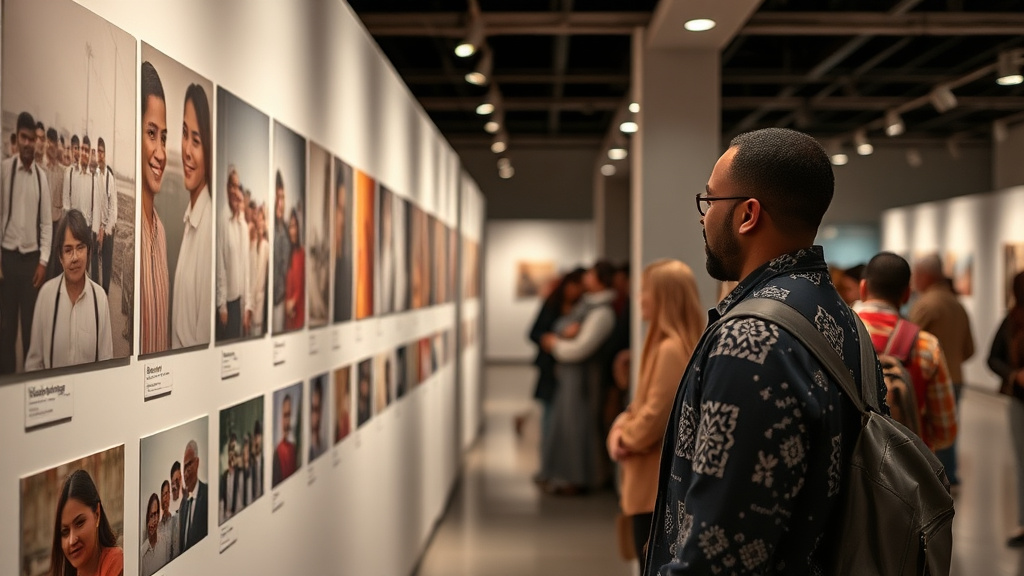
Photography has become a universal language that crosses cultural boundaries, uncovering the rich tapestry of human experience throughout different societies. From thriving Asian cities to communities across Africa, today’s photography showcases are breaking barriers and elevating underrepresented perspectives worldwide. This article explores how exhibition creators and image makers are partnering to showcase true cultural accounts, challenging stereotypes, and fostering global understanding. Discover how these compelling photographic narratives are transforming our understanding of varied populations and creating meaningful dialogue in an world of growing interdependence.
International Photography Styles and Artistic Expression
Photography has transformed into a powerful medium through which varied communities convey their sense of identity and values. International photographic movements reflect the nuanced connection between traditional artistic practices and current visual expression. From documentary realism to abstract conceptualization, photographers internationally employ varied techniques to express narratives of culture. These movements show how visual storytelling surpasses language barriers, helping audiences to connect with experiences fundamentally different from their own. The widespread availability of photography technology has enabled creators from underserved communities to present their perspectives authentically.
Cultural expression through photography transcends mere documentation; it constitutes a powerful form of resistance, celebration, and dialogue. Photographers more and more contest Western-centric narratives by highlighting their own community narratives and visual languages. International exhibitions now showcase works that merge indigenous visual traditions with contemporary photography methods, producing hybrid forms of expression. This shift reflects broader shifts in the art world toward inclusion and acknowledgment of diverse epistemologies. Photography exhibitions have emerged as vital platforms where marginalized voices gain visibility and shape global conversations about selfhood, community connection, and heritage protection.
Indigenous Perspectives in Current Photographic Practice
Indigenous photographers are reclaiming the power to depict their own cultures, moving beyond exploitative documentary traditions that historically framed native peoples as passive subjects rather than active creators. Contemporary indigenous photography integrates ancestral intellectual traditions with modern visual technologies, creating unique visual languages. Artists like Cara Romero and Hulleah Tsinhnahjinnie use photography to explore indigenous autonomy, environmental stewardship, and cultural persistence. Their work challenges colonial legacies while honoring indigenous resilience and creativity. These photographers develop new visual languages that honor their communities’ perspectives while contributing to global artistic conversations.
Indigenous photography displays increasingly occupy key locations in major museums and galleries worldwide, reflecting formal acknowledgment of these artists’ contributions. These exhibitions frame photography not merely as artistic expression but as cultural activism and historical documentation. Works explore questions of land sovereignty, ecological justice, and sacred traditions, presenting alternative narratives to prevailing portrayals. By showcasing indigenous photographers’ creations, institutions acknowledge the importance of different perspectives and knowledge systems. This development enables indigenous communities to manage their visual self-representation and influences how worldwide viewers perceive indigenous cultures authentically.
Urban Documentation and Urban Photography
Urban street photography records the vitality, intricate tensions and contrasts of contemporary city life across diverse global communities. Photographers chronicle daily occurrences that reveal interpersonal relationships, wealth inequalities, and cross-cultural exchanges within metropolitan spaces. Artists like Vivian Maier and contemporary practitioners use street photography to uncover hidden narratives within city environments. This genre democratizes photography by presenting ordinary people and everyday scenes as worthy subjects warranting artistic attention. Street photographers often showcase overlooked people and groups whose stories remain invisible in mainstream media coverage.
Urban documentation serves as visual anthropology, recording how different cultures inhabit and transform shared city spaces. Photographers document the strength, innovation, and worth of communities moving through urban environments influenced by colonialism, migration, and globalization. These works show how cultural traditions endure and adapt within modern cities, forming hybrid identities and practices. Street photography exhibitions provide platforms for photographers from non-Western regions to showcase their urban realities, challenging stereotypical portrayals of developing nations. Through close-up visual records, these photographers assert their communities’ significance and depth within global urban narratives.
Leading Global Photography Shows
The world’s leading photography exhibitions have evolved into essential platforms for displaying multiple cultural outlooks. Events like the Rencontres d’Arles in France, the Fotofest in Houston, and the Photoville in New York welcome tens of thousands of attendees each year, displaying works from photographers from around the globe. These exhibitions deliberately curate collections that highlight underrepresented voices and rising artists from Asia, Africa, Latin America, and the Middle East. By providing international visibility, these venues enable photographers to share their unique cultural narratives and challenge Eurocentric narratives that have long dominated the art world.
Beyond conventional gallery spaces, biennales and festival circuits have broadened avenues for worldwide engagement and cultural exchange. The Dakar Biennale, Bamako Photography Biennale in Mali, and the Sharjah Biennial exemplify emerging initiatives that center non-Western perspectives and highlight regional artistic excellence. These exhibitions encourage substantive dialogue between photographers, curators, and viewers, establishing spaces where varied communities can see their narratives genuinely reflected. Through innovative programming and strategic collaborations, major international exhibitions keep make photography more accessible and guarantee that cultural stories from every corner of the globe gain acknowledgment and visibility.
Impact and Future of Culturally Diverse Photography
Culturally diverse photography displays have significantly changed how global communities view and comprehend one another. By showcasing authentic stories by underrepresented voices, these displays question entrenched stereotypes and foster genuine cross-cultural dialogue. Cultural institutions worldwide report greater footfall and involvement when presenting diverse perspectives, demonstrating audiences’ appetite for authentic stories. This change has generated financial prospects for image-makers in marginalized communities while establishing photography as a powerful tool for social progress and cultural representation.
Looking ahead, the future of culturally diverse photography looks increasingly encouraging as digital platforms democratize access to worldwide audiences. Rising photographers from underrepresented regions now utilize social media and online galleries to share their perspectives directly, circumventing traditional gatekeepers. Organizations are investing in mentorship programs and funding initiatives supporting diverse voices, while international collaborative exhibitions continue expanding. As technology advances and consciousness increases, culturally diverse photography will undoubtedly serve an increasingly important function in building bridges between communities and creating a more empathetic, inclusive global society.
