
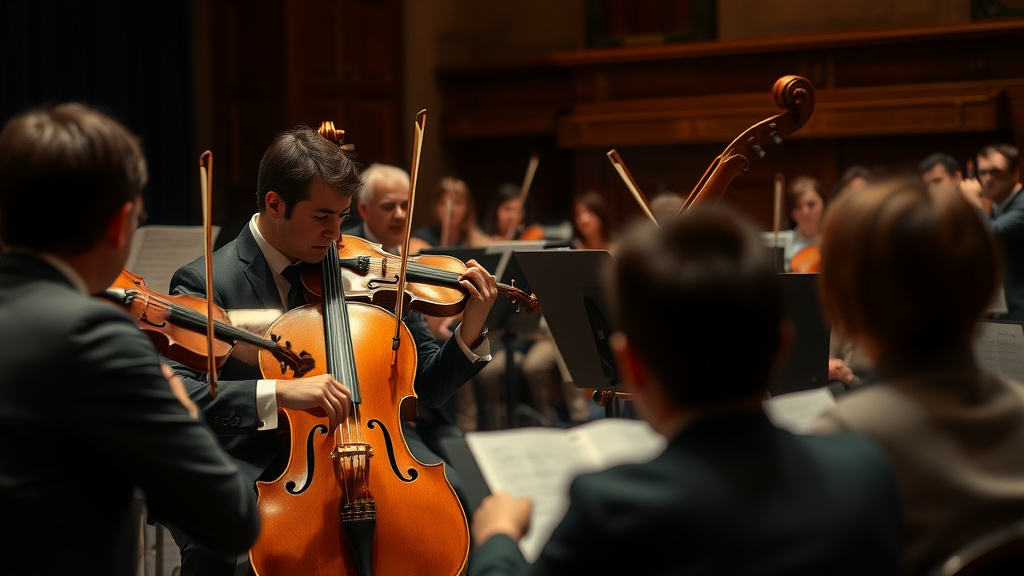
Classical music, traditionally restricted to concert halls and exclusive venues, is undergoing a impressive digital renaissance. As streaming services, virtual performances, and social media transform how audiences connect with timeless compositions, orchestras and musicians worldwide are adopting innovative platforms to connect with younger, increasingly diverse listeners. This article explores how historical practices are flourishing in the digital age, analyzing the approaches transforming classical music into an readily available, contemporary art form while maintaining its lasting cultural significance.
Streaming Platforms Transform Classical Audio Availability
Online music platforms have fundamentally transformed how audiences access and enjoy classical music, democratizing access to extensive collections of symphonies, concertos, and chamber works. Services like Spotify, Apple Music, and dedicated services such as Naxos and Idagio now provide access to millions of classical recordings at listeners’ disposal, eliminating geographical and financial barriers that previously limited listener engagement. This remarkable openness has introduced classical music to younger listeners who might never have attended traditional concert halls, creating new pathways for listener expansion and artistic appreciation.
Beyond mere convenience, streaming services deliver sophisticated curation tools and tailored suggestions that help listeners discover classical music’s vast collection. Thoughtfully-organized playlists, AI-powered recommendations, and carefully-curated selections allow users to investigate different composers, eras, and interpretive approaches organically. This technical ecosystem reshapes passive listening into an interactive learning adventure, allowing audiences to forge stronger bonds with classical traditions while establishing loyal audiences that support musicians and orchestras in an increasingly competitive digital landscape.
Online Concerts and Live Events Connect with Global Audiences
The emergence of virtual concert platforms has substantially changed how classical music engages audiences globally. Leading orchestral ensembles and celebrated musicians now livestream performances directly into homes around the globe, overcoming geographical and financial barriers that formerly prevented access. YouTube and similar platforms, curated streaming providers, and orchestral websites have democratized classical music consumption, enabling millions to enjoy professional-caliber shows without high ticket prices or traveling. This availability has proven particularly valuable for younger listeners and underserved communities discovering classical music in their discovery through digital channels.
Live-streamed performances offer unique advantages beyond traditional concert attendance, including interactive features, multiple camera angles, and archival accessibility. Audiences can pause, rewatch, and share performances across social media, creating organic viral moments that introduce classical music to new demographics. Virtual concert halls have also enabled innovative hybrid models where in-person and online audiences simultaneously experience performances, expanding revenue streams while maintaining artistic integrity. This digital evolution ensures classical music remains relevant and accessible to increasingly tech-savvy generations|digitally-native audiences|technology-oriented listeners seeking cultural engagement on their own terms.
Digital Learning Environments Connect with Gen Z and Millennials
Engaging learning platforms have transformed how students discover classical music fundamentals. Online platforms providing gamified lessons, interactive instrument guides, and biographical information about composers convert simply listening into engaging educational experiences. Platforms like YouTube music education channels and dedicated applications allow students to explore music theory concepts, instrument techniques, and historical contexts on their own schedule. This availability makes accessible classical music education, eliminating obstacles that once restricted access to those with economic means or physical closeness to quality instruction.
Social media creators and influencers have become unexpected ambassadors for classical art forms. Young musicians showcase their work on social platforms like TikTok and Instagram, breaking down complex compositions into digestible, entertaining content. These tech-savvy creators present classical music authentically, resonating with their generation through authentic storytelling and innovative interpretations. Their engagement attracts massive audiences, bringing classical music to listeners who wouldn’t otherwise discover it through conventional means. This grassroots marketing demonstrates significant impact at normalizing classical music within youth culture and contemporary entertainment landscapes.
Music schools and academies increasingly integrate digital platforms into curricula, recognizing their educational importance. Online training sessions featuring renowned conductors and soloists provide unparalleled opportunities to professional guidance globally. Virtual ensemble performances allow widely separated students to work together, fostering connection while developing technical skills. These blended educational approaches preserve the discipline’s exacting requirements while embracing technological innovations that engage digitally native learners, ensuring the practice’s lasting importance and vitality.
