
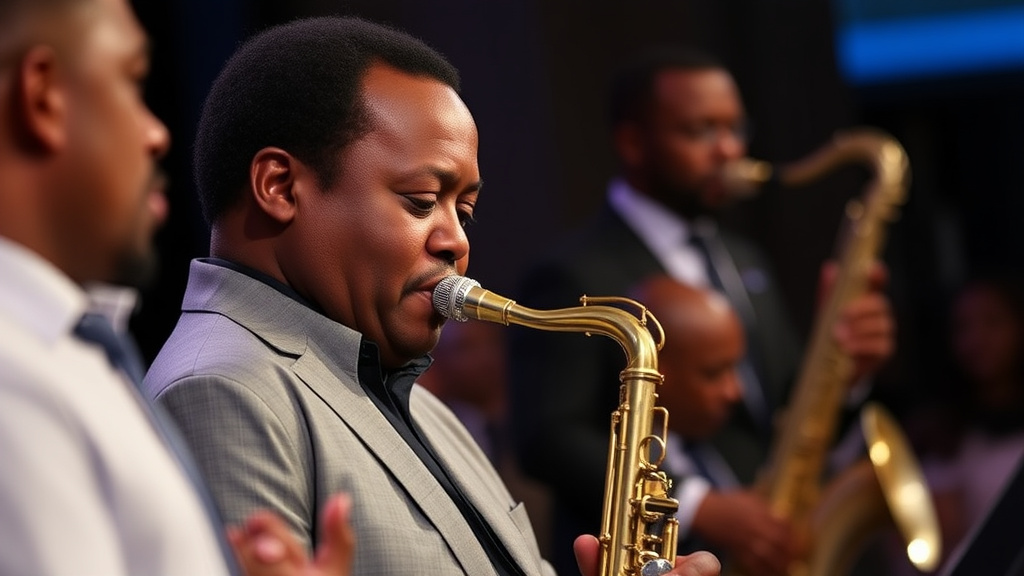
Jazz festivals across the country are experiencing substantial transformation, recognizing that true creative advancement thrives when diverse voices take the spotlight. By intentionally broadening their lineup to showcase emerging artists from underrepresented communities, these festivals are dismantling longstanding barriers and reshaping the future of jazz. This article explores how major festivals are establishing inclusive initiatives, the talented musicians gaining long-overdue recognition, and the significant effect these changes are having on the genre’s evolution and cultural terrain.
Breaking Through Barriers in Jazz Music Programming
Jazz festivals have historically been centered on recognized performers and traditional programming formats, often overlooking the rich talents coming out of underrepresented communities. This structural discrimination has limited the genre’s creative potential and strengthened restrictive parameters of what jazz ought to sound like. Modern festival curators recognize this significant shortfall and are systematically removing these obstacles. By deliberately curating stages for rising talent from varied racial, ethnic, and economic backgrounds, festivals are fundamentally reshaping the landscape of the industry. These curatorial choices go beyond tokenism; they reflect a authentic dedication to equity and artistic authenticity that serves the whole jazz community.
The shift toward diverse programming originates in growing awareness that jazz’s foundations are closely connected to Black American heritage and the work of many artists from marginalized communities. Festival directors understand that amplifying these voices enhances the music’s credibility and cultural relevance. Contemporary festivals are implementing concrete strategies to discover and support rising artists, including dedicated showcase stages, mentoring initiatives, and partnerships with music schools in under-resourced communities. These programs guarantee promising musicians gain performance opportunities once limited to established names, creating pathways to career advancement that were previously inaccessible.
Implementing diverse programming initiatives requires institutional commitment and budget distribution. Festivals must allocate funds for talent scouting, artist development, and community involvement to successfully identify emerging performers. Many organizations have created advisory committees including musicians and community representatives from underrepresented backgrounds to inform programming choices. This collaborative approach ensures that programming decisions genuinely represent community voices rather than relying on outsider assumptions about representation. Such systemic reforms demonstrate that expanding opportunities for developing performers requires deliberate strategy, sufficient resources, and ongoing institutional dedication beyond superficial diversity gestures.
The effect of these programming changes extends far beyond specific festival programs. When emerging artists gain visibility at leading festivals, they generate press interest, booking opportunities, and record deals that speed up their career trajectory. Aspiring musicians from underrepresented communities witness performers who represent their communities earning respect, motivating them to pursue jazz seriously. Attendees encounter new viewpoints and creative styles that question traditional jazz standards. This shared growth—where festivals benefit from artistic renewal while performers access vital career advancement—generates a virtuous cycle that fortifies the broader jazz scene and guarantees jazz’s ongoing development.
Several major festivals have emerged as pioneers in this transformation, allocating significant programming real estate to emerging artists. These festivals report increased attendance, greater critical recognition, and stronger community engagement since introducing inclusive initiatives. Their achievements demonstrates that broadening artistic diversity is not simply an ethical imperative but also a smart business strategy. As more festivals adopt similar approaches, the collective impact reshapes industry standards and benchmarks, making inclusive programming the standard rather than the outlier in jazz festival culture.
Beyond festival stages, these programming changes reflect broader shifts within the jazz industry. Recording companies, booking agencies, and media outlets now more readily acknowledge the artistic and commercial value of new talent from underrepresented communities. The success of artists launched by festivals substantiates investment in diverse programming and promotes industry-wide adoption of inclusive approaches. This cascading effect creates sustained opportunities for rising musicians, transforming temporary festival appearances into sustained career advancement. As barriers progressively erode, the next generation of jazz innovators—drawn from communities historically excluded from the mainstream—will define the genre’s future direction.
Efforts Generating Pathways for Inclusive Professionals
Festival Programming Plans
Prominent jazz festivals are deploying focused booking approaches to identify and promote emerging artists from marginalized groups. These programs feature specialized showcase venues, mentoring partnerships connecting seasoned performers with emerging artists, and collaborative partnerships with traditionally Black institutions and community music organizations. By dedicating substantial segments of festival schedules to these artists, festivals generate exposure and professional connections that were lacking in the past. This deliberate method ensures new performers obtains the visibility and support required to establish flourishing trajectories in the challenging jazz marketplace.
Festival planners are also investing in artist development workshops and specialized workshops designed specifically for emerging artists from underrepresented backgrounds. These initiatives cover fundamental competencies encompassing stage performance skills, time in professional studios, music business fundamentals, and promotional approaches. By delivering extensive resources outside of performance slots, festivals assist aspiring performers create lasting professional paths. Additionally, many festivals now host panel talks and listening events that highlight varied artistic viewpoints and encourage substantive conversation between established and emerging musicians in jazz circles.
Community Engagement and Public Engagement
Successful community partnerships have emerged as critical to festival success in connecting with diverse talent pools. Festivals work alongside local music schools, community centers, and cultural organizations supporting minority populations to recognize promising musicians at the start of their professional journey. These partnerships go further than recruitment, fostering ongoing relationships that support artist development throughout the year. By becoming integrated into communities, festivals demonstrate genuine commitment to representation rather than tokenistic gestures. Such collaborations also strengthen festivals’ connections to their local audiences and build trust with communities traditionally shut out of mainstream cultural institutions.
Educational engagement programs linked to festivals provide young musicians from underserved populations with access to professional jazz artistry and professional standards. Festivals organize masterclasses, training sessions, and mentorship opportunities that illuminate professional trajectories in music. Many festivals also offer financial aid and travel support helping accomplished musicians from low-income communities to be present and perform. These integrated initiatives understand that structural obstacles surpass artistic opportunity to encompass financial and informational challenges that accomplished musicians must address to attain prominence.
Assessing Impact and Responsibility
Progressive jazz festivals are creating performance indicators to assess the outcomes of their diversity initiatives and guarantee transparency. These metrics include percentages of underrepresented artists in festival lineups, skill development of highlighted new artists, visitor demographic statistics, and community feedback assessments. By disclosing openly these statistics, festivals show commitment and dedication to ongoing improvement. This data-driven approach helps identify successful strategies worth scaling while revealing areas requiring additional attention and resources. Consistent assessment ensures initiatives stay attuned to community needs and keep generating meaningful opportunities for underrepresented artists.
Festival planners also track long-term outcomes, capturing how featured emerging artists advance their careers subsequent to festival performances. Success stories include record deals, worldwide touring opportunities, and future festival invitations, validating the importance of initial stage opportunity. By highlighting these achievements and sharing artist trajectories, festivals inspire other institutions to embrace similar practices. This measurement approach transforms diversity initiatives away from aspirational statements into quantifiable commitments, establishing industry standards that encourage extensive uptake of diverse programming practices throughout the jazz festival landscape.
Influence and Long-Term Development
Revolutionizing the Jazz Landscape
The growth of jazz festival programming to feature up-and-coming musicians from marginalized groups has already shown tangible results on the industry. Festival attendance has increased significantly, with younger and increasingly diverse audiences experiencing innovative sounds that question traditional jazz conventions. These initiatives are not simply performative measures; they embody a essential change in how the jazz world identifies and promotes talent, opening doors for musicians who previously faced systemic barriers to mainstream recognition and business prospects.
Beyond participation metrics, the cultural impact of these programming changes is redefining jazz’s narrative. Emerging artists from underrepresented backgrounds are bringing innovative approaches, musical fusion, and authentic storytelling that reinvigorates the genre. Their visibility at festivals signals to up-and-coming artists everywhere that the jazz scene is moving toward greater inclusivity and welcoming. This change is bringing in younger audiences of musicians and fans, guaranteeing jazz stays vibrant, relevant, and connected to contemporary cultural conversations about diversity and creative justice.
Environmental Responsibility and Strategic Direction
Looking forward, jazz festivals are committing to sustained, extended investment in emerging artists through guidance programs, recording sessions, and continuous support structures. Rather than treating diversity programming as one-off efforts, major festivals are integrating inclusive practices into their organizational missions and budget allocations. This commitment secures that up-and-coming musicians receive sustained growth opportunities, industry connections, and monetary assistance required for sustainable careers, transforming festival involvement into real professional development rather than isolated performances.
The future of jazz relies on festivals’ ongoing dedication to elevating underrepresented voices while preserving artistic excellence. As these institutions demonstrate that inclusivity and innovation are mutually reinforcing values, other cultural organizations are adopting similar approaches, creating a broader impact throughout the music industry. This momentum points to a jazz landscape where new talent from all backgrounds can flourish, where audiences encounter authentic varied viewpoints, and where the genre continues evolving as a dynamic reflection of contemporary American culture and artistic possibility.
